
The Suku Mante, or Mante Tribe, play a significant role in the diverse cultural heritage of Indonesia’s numerous islands. These lesser-known tribespeople are equally as culturally and historically connected to their heritage as the larger, more well-known tribes in the nation, yet they are often overlooked. But please tell me who the Mante Tribe is. How are they different from us, and why should we care about their interesting customs and way of life? Let’s learn more about the Mante people’s history, culture, and traditions, as well as what it means to be a Suku Mante.
What Is Mante? An Introduction to the Mante Tribe
Indigenous peoples of Indonesia are known as the Mante Tribe or Suku Mante. The tribe is distinct from other Indonesian ethnic groups due to its own social structure, language, and traditions. But what exactly does “Mante” imply?
“Mante” means “specific group or community tied by ancestry and shared history” in the local language. One possible interpretation of “Mante” is that it alludes to the ancestral homeland of the Mante people, the place where their civilization was initially founded.
Historians and anthropologists are still curious about the Mante tribe’s and their origins, but they have not yet fully solved the mystery of the tribe’s genealogy. Respect for the land and its resources is central to tribu Mante heritage, which stems from a long history of connection with the natural world. Experience a really one-of-a-kind cultural encounter with the Mante people through their remarkable art, tribal rituals, and traditional traditions.
Origins of the Mante Tribe: The History Behind Suku Mante
One must delve into the history of Indonesia’s indigenous peoples in order to comprehend the origins of the Mante tribe. The Mante people have a history that predates the oldest written texts and is thought to have inhabited Indonesia for generations. They have a strong sense of self since they handed much of their ancient culture down orally from generation to generation.
The Suku Mante have their roots in the Indonesian mountains, more specifically in less-populated, more remote places where they have maintained a strong connection to their ancient homelands. They have a long history of respect for the land, and it shows in their local traditions, language, and even cuisine.
Even though Tribu Mante Indonesia has taken cues from many different cultures, its members have kept their own unique style of dress, artistic expression, and religious practices. While many contemporary Indonesian tribes have changed as a result of European colonization, the Mante have shown extraordinary resiliency in holding on to their traditions.
The Language of the Mante Tribe: What Is Their Communication Style?
The Mante people and their unique language are two of the most interesting things about their culture. The Mante language is different from Bahasa Indonesia, which is Indonesia’s official language. It has been kept alive over the years. Unlike the languages of many other Indonesian tribal groups, whose languages have been absorbed into the national language, a lot of the Mante dialect has survived.
The Mante language is an important part of their identity, and it is often used in rituals and community events. For many Mante tribesmen, keeping their language and culture alive is more than just a way to talk to each other. The Mante tribe in Indonesia keeps telling young people to value and use their ancestral language so that it doesn’t die out because of industrialization.
The Mante Tribe’s Social Structure and Community Life
The Mante social system is based on family ties, tradition, and hierarchy. The Mante tribe values family, respect for elders, and shared duty, and they live very close to each other. The Suku Mante often pass on their leadership duties from one generation to the next.
The tribe places a lot of value on staying together as a group and promoting peace. The Mante people know that the good of the whole is more important than their own wants. The tribe’s strong and united government system helps it deal with the problems that modern civilization brings.
Mante Tribe’s Relationship with Nature: Sacred Traditions
Mante culture is known for its deep respect for nature. The Mante people believe that the natural world is a living thing that needs them to be there all the time. They pray, perform rituals, and hold ceremonies that are all about their connection to the environment and the plants and animals that live there.
The Suku Mante people have been using sustainable farming, hunting, and gathering methods for a long time, and they have passed them down through the generations. Their environmental beliefs and farming methods are very similar. The first stresses using the land in a way that is good for the environment, and the second tells them to only take what is naturally available.
The Unique Clothing and Traditions of the Mante Tribe
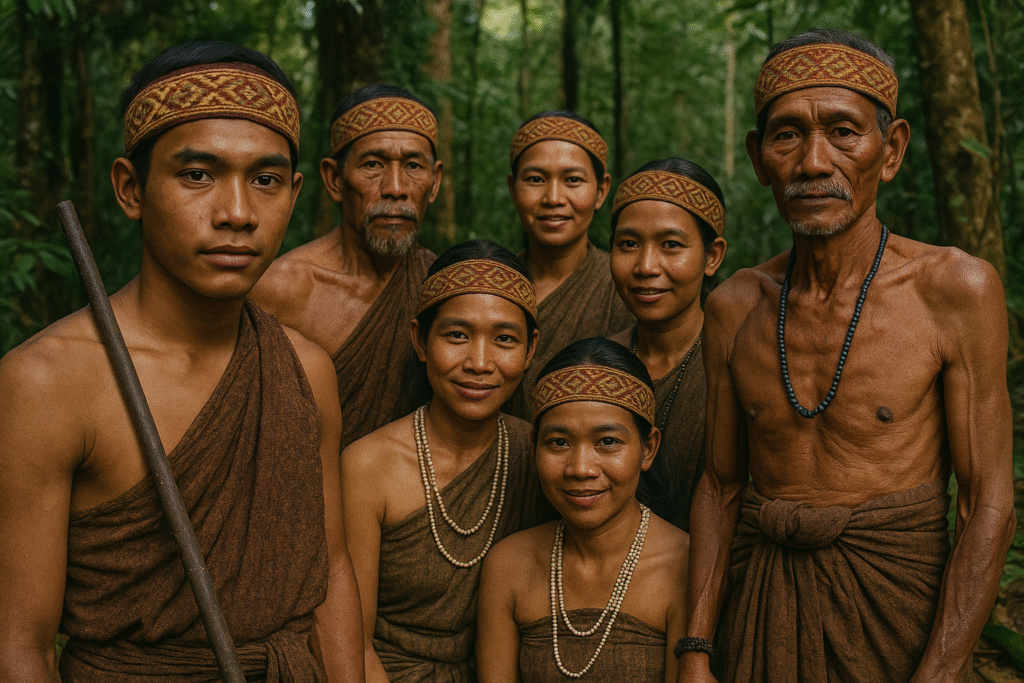
The Mante people’s traditional clothes are also very different from each other. The clothes are made of natural fibers, which show how close the community is to the land. Traditional tribal clothes often have beadwork and intricate designs. These clothes are full of cultural meaning and tell stories about the wearers’ ancestors, achievements, and spiritual beliefs.
These traditions are shown off at their festivals and community events. The tribu Mante throw fun parties where everyone brings food, music, and dance. These meetings are not only a place to have fun, but they also help build community and keep the tribe’s rich history alive.
Mante Tribe’s Rituals and Beliefs: A Deep Spiritual Connection
In the Mante culture, many ceremonies honor the gods, natural spirits, and ancestors. The Mante people believe that animals, trees, rivers, and all other parts of nature are spiritual beings. They follow an animistic belief system.
The Mante people often hold ceremonies with sacrifices and offerings at important times in life, such as births, deaths, and harvests. The tribu Mante Indonesia, who believe that everything is connected, say that for the community to be peaceful and prosperous, everything must be in sync with the rhythm of nature.
Mante Tribe’s Architecture: A Blend of Tradition and Function
Another interesting part of Mante culture is their traditional architecture. The Suku Mante people build their homes out of materials they find on the ground. This eco-friendly way of building houses shows how deeply connected they are to nature, in addition to making houses that are long-lasting and useful.
The tribe’s homes are built to protect them from the sun, wind, and rain. They are usually made of wood, bamboo, and leaves. They live in villages, which are close-knit communities where most of the time their homes are built close to each other.
Mante Tribe’s Influence on Modern Culture
The Mante people may have stayed away from modern civilization for the most part, but their legacy lives on in Indonesian culture as a whole. The Mante tribe has had a big impact on modern culture. For example, they made traditional clothes and used tribal symbols in modern art.
In recent years, younger Mante people have been more open to Western ideas, but they have never lost touch with their native culture. The tribe has shown that it is possible to live with both modernity and tradition.
Mante Tribe and the Challenges of Modernization
The Mante tribe has been very strong, but they are still having problems because of the modern world. Development, forest loss, and more tourists are all threats to the tribe’s traditional ways of life. Many people from the Mante tribe in Indonesia are having a hard time keeping up with modern life while also keeping their old ways of life.
Because of the rise of technology, especially the internet, young people now have more ways than ever to learn about the world outside of their own backyard. But this brings up an interesting question: how can you find a balance between keeping old traditions and moving forward with new ones?
Mante Tribe and the Future: Preserving a Legacy
The Suku Mante tribe has to make important choices about what to do next as the world keeps changing. A lot of people want to keep their language, culture, and identity alive for future generations. The younger Mante people are taking care of this legacy more and more. They are trying to keep the language and traditions alive.
There is hope that the Mante tribe can keep growing even as the world changes. They can do this by using eco-friendly methods and teaming up with groups that work to protect native traditions.
Conclusion: The Enduring Legacy of the Mante Tribe
The Suku Mante tribe is one of Indonesia’s most unique native groups because of their unique traditions, long history, and close relationship with nature. The tribe has problems because of modernity, but it’s clear that it’s strong because it can still live the way it wants to even when people tell it to change.
The Mante tribe is a great way to learn about indigenous cultures because they live in a community that hasn’t changed much since the modern world came around. The Suku Mante is a great example of how powerful tradition can be. They have spiritual beliefs and rituals that are good for the environment.
As we look ahead, it’s important to keep helping indigenous groups like the Mante tribe protect their language, culture, and heritage so that these important traditions don’t fade away. The Mante people show us how important it is to learn from the past and respect it while also looking to the future.